
Get Rainwater Diversion in Leland, NC
Rainwater diversion services for Leland, NC help property owners solve drainage issues, manage stormwater runoff, and install systems like gutters, drains, and diversion channels.
Rainwater diversion services are an important consideration for property owners in Leland, NC, especially those looking to manage water flow effectively around their homes or businesses. Proper planning can help prevent issues like basement flooding, foundation damage, and landscape erosion, making it a practical step for maintaining property value and safety. Local contractors experienced in rainwater management can provide insights into the most suitable solutions for your specific property, helping you compare options and choose the best approach for your needs.
Exploring rainwater diversion options involves understanding different systems and methods that can be tailored to the unique characteristics of properties in the Leland area. Property owners often seek guidance on how to implement effective drainage strategies that work with the local climate and land conditions. Connecting with experienced service providers can help you gather the information needed to plan a project that enhances water management and protects your property’s long-term integrity. Keep reading to discover how local contractors can assist in developing a practical rainwater diversion plan.
- Rainwater Diversion Systems - needed when property owners want to redirect runoff away from foundations and prevent water pooling.
- Gutter and Downspout Extensions - useful when existing drainage causes erosion or basement flooding in neighborhoods around Leland, NC.
- Drainage Channel Installation - appropriate for managing large volumes of rainwater in areas with heavy stormwater flow.
- Rainwater Harvesting Solutions - suitable for those looking to collect and reuse rainwater for landscaping or other non-potable uses.
- Surface Water Management - required when managing stormwater runoff to prevent pooling and property damage in residential communities.
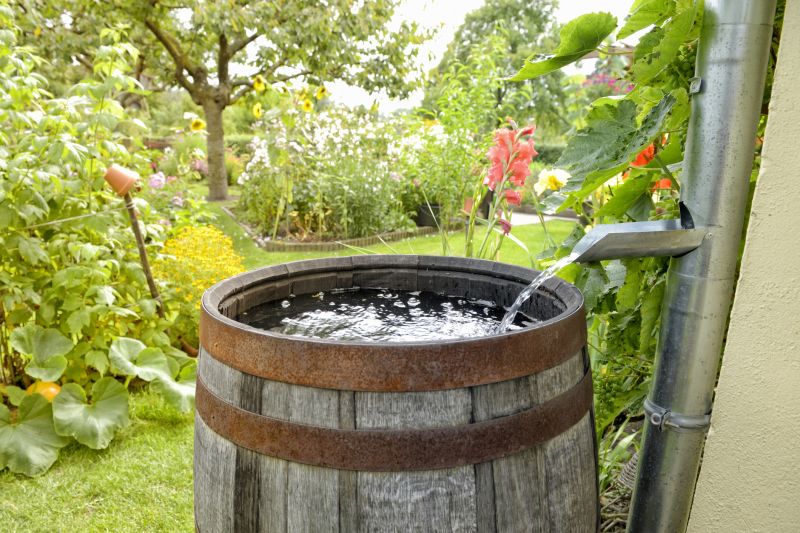
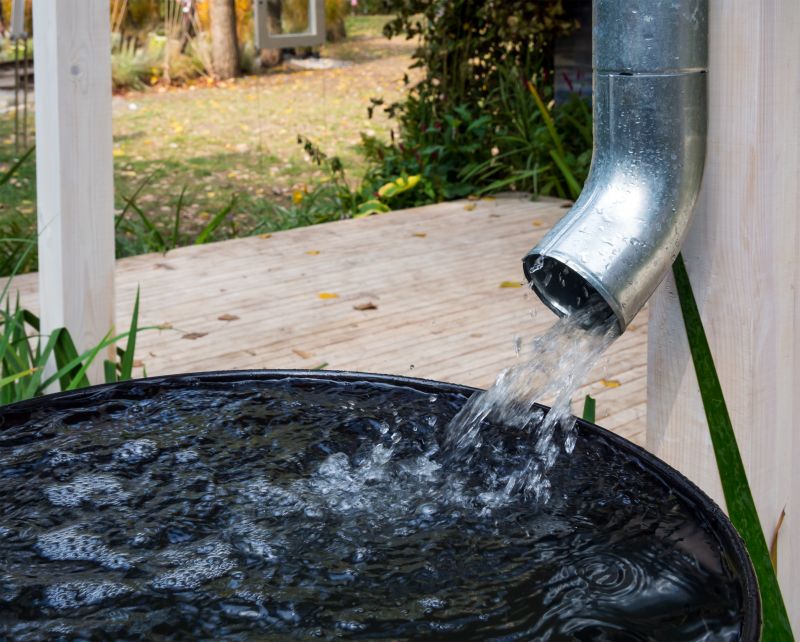

Rainwater diversion services involve installing systems that direct excess rainwater away from a property’s foundation and landscaping. These systems typically include components like downspout extensions, splash blocks, or underground drainage pipes designed to channel water efficiently. Proper diversion helps prevent water from pooling around the home, reducing the risk of foundation damage, basement flooding, and landscape erosion. Homeowners can work with local contractors to assess their property’s drainage needs and implement solutions that keep rainwater flowing away from critical areas.
Many property owners turn to rainwater diversion services when they notice signs of water intrusion or damage after heavy storms. Common problems include basement flooding, cracked or shifting foundations, and soggy lawns or flower beds. These issues often stem from improper drainage or overwhelmed gutters that allow water to collect near the home. By redirecting rainwater effectively, local service providers help homeowners protect their property from costly repairs and avoid ongoing water-related concerns that can compromise structural integrity and outdoor landscaping.
Rainwater diversion solutions are suitable for a variety of property types, including residential homes, multi-family residences, and small commercial buildings. Homes with poor drainage, flat landscapes, or areas prone to pooling benefit significantly from these services. Properties located in areas with frequent heavy rainfalls or poor soil absorption are especially good candidates for rainwater management systems. Local contractors can tailor solutions to fit different property layouts and ensure that rainwater is directed safely away from foundations, walkways, and other vulnerable areas.
Homeowners who experience issues with excess water around their property or want to prevent future problems often find rainwater diversion services helpful. These systems are practical for properties that have existing drainage challenges or are preparing for seasons with heavy rainfall. Connecting with experienced local service providers can help determine the best approach for managing rainwater effectively. Proper installation of diversion systems can provide peace of mind by helping protect the home’s foundation, landscaping, and overall structural stability.
The overview below groups typical Rainwater Diversion projects into broad ranges so you can see how smaller, mid-sized, and larger jobs often compare in Leland, NC.
In many markets, a large share of routine jobs stays in the lower and middle ranges, while only a smaller percentage of projects moves into the highest bands when the work is more complex or site conditions are harder than average.
Smaller Repairs - Typical costs for minor rainwater diversion fixes, such as sealing or rerouting a single gutter, range from $250-$600. Many routine jobs fall within this middle range, depending on the scope of work and accessibility.
Partial System Upgrades - Upgrading or extending existing rainwater diversion systems often costs between $1,000-$3,000 for many local projects. Larger or more complex upgrades can push costs higher, especially in challenging installation conditions.
Full System Replacement - Replacing an entire rainwater diversion setup, including gutters, downspouts, and related components, typically ranges from $4,000-$8,000. Fewer projects reach into the highest tiers, which are reserved for extensive or custom installations.
Large-Scale Installations - Complete new rainwater diversion systems for larger properties or commercial buildings can exceed $10,000, with costs varying based on size and complexity. Many contractors handle these projects within this higher range, though they are less common than smaller jobs.
Actual totals will depend on details like access to the work area, the scope of the project, and the materials selected, so use these as general starting points rather than exact figures.
Rainwater Harvesting System Installation - local contractors skilled in designing and installing systems to collect and store rainwater for various uses.
Drainage Planning and Design - professionals experienced in planning effective drainage solutions to prevent water pooling and manage runoff efficiently.
Gutter and Downspout Solutions - service providers who can install or upgrade gutter systems to improve rainwater diversion and minimize property damage.
Landscape Drainage Projects - experts capable of integrating drainage solutions within landscaping to direct rainwater away from foundations and walkways.
Stormwater Management Systems - local pros who can design and implement systems to control and direct stormwater runoff on residential or commercial properties.
Soil Erosion Control Projects - specialists skilled in planning and executing solutions to prevent soil erosion caused by improper rainwater management.
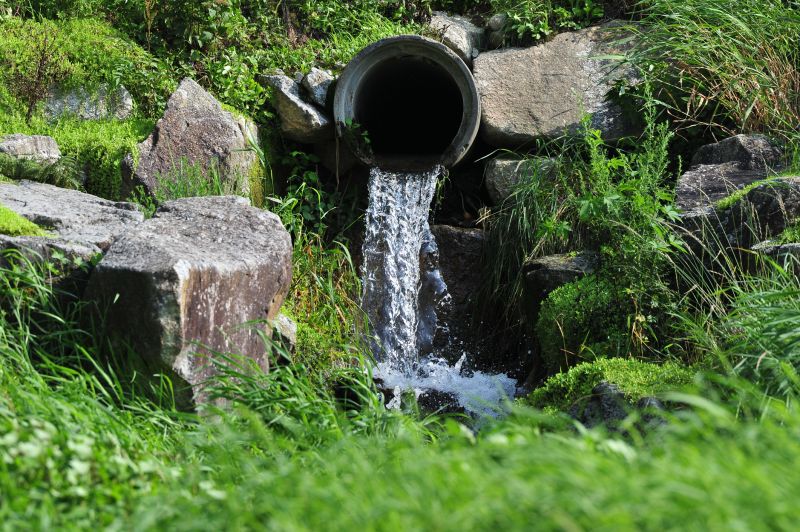
When selecting a contractor for rainwater diversion projects, it’s important to consider their experience with similar types of work. Homeowners should look for service providers who have a proven track record handling projects of comparable scope and complexity. Asking about past projects or reviewing portfolios can provide insight into their familiarity with rainwater management systems and local site conditions. This helps ensure that the contractor understands the specific challenges and requirements of the area, leading to a smoother installation process and a more reliable outcome.
Clear written expectations are essential when working with any service provider. Homeowners should seek contractors who provide detailed descriptions of the work scope, materials, and any relevant procedures. Having this information in writing helps prevent misunderstandings and ensures everyone is aligned on project goals. It’s also beneficial to request a comprehensive plan that outlines the steps involved, so expectations are transparent from the start. This clarity can contribute to a more efficient process and a final result that meets the homeowner’s needs.
Reputable references and good communication are key factors in choosing a rainwater diversion specialist. Homeowners are encouraged to ask potential service providers for references from previous clients, especially those who had similar projects completed. Speaking with past customers can reveal insights into the contractor’s professionalism, reliability, and quality of work. Additionally, effective communication-such as prompt responses, clear explanations, and willingness to answer questions-helps build trust and ensures that any concerns are addressed throughout the project. It’s important to remember that the site introduces homeowners to local options, not that it performs the work itself, making it essential to evaluate these qualities when comparing different service providers.
Property owners in Leland, NC use Rainwater Diversion services for practical projects around their homes and businesses. This guide focuses on everyday jobs and straightforward project options.
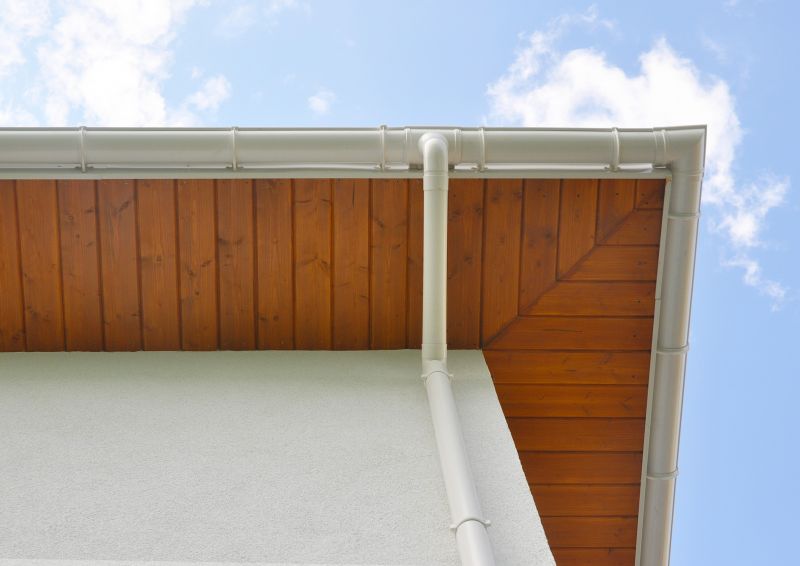
Rainwater diversion services are often sought by property owners in Leland, NC, who want to prevent water from pooling around their homes or flooding their yards after heavy rains. If a property experiences frequent water runoff or if gutters and drainage systems are causing issues, local contractors can install systems that redirect rainwater away from foundations and landscaping. These solutions help reduce the risk of water damage and keep outdoor spaces functional and safe, especially during stormy seasons common to the area.
Homeowners may also look for rainwater diversion options when planning landscaping projects or during renovations that alter the property’s grading. Properly managing runoff can prevent erosion and protect driveways or walkways from water damage. Local service providers can assess specific property needs and recommend effective diversion methods to improve drainage and maintain the integrity of outdoor spaces, making them a practical choice for addressing water management concerns in Leland.
What are rainwater diversion services? Rainwater diversion services involve redirecting rainwater runoff away from structures to prevent water pooling and potential damage, using systems like gutters, downspouts, and drainage solutions provided by local contractors in Leland, NC.
How can rainwater diversion improve my property? Proper rainwater management helps protect foundations, reduce erosion, and prevent basement flooding, with local service providers offering solutions tailored to the specific needs of properties in Leland and nearby areas.
What types of rainwater diversion systems are available? There are various options including gutter installations, French drains, rain barrels, and surface drainage systems, which local contractors can recommend based on the property's layout and rainfall patterns.
Who should I contact for rainwater diversion services? Homeowners and property owners in Leland, NC, can contact local contractors specializing in rainwater management to discuss options and find solutions suited to their property.
What should I consider when choosing a rainwater diversion system? Factors include the property's size, roof type, drainage needs, and local rainfall levels, with experienced service providers able to assess and recommend the most effective solutions.
Rainwater Management Solutions - Property owners can explore ways to divert rainwater from walkways or driveways to prevent pooling and erosion.
Stormwater Diversion Ideas - Local contractors can assist in designing systems that redirect runoff away from foundations to protect the property's structure.
Gutter and Downspout Extensions - Installing extensions can help direct rainwater safely away from the building, reducing water damage risks.
Landscape Drainage Planning - Planning and implementing drainage features can help manage excess rainwater during storms to keep yards functional.
If you are thinking about Rainwater Diversion for a property in Leland, NC, this guide is meant to help you understand the work, the typical project types, and how different options might fit your plans.
When you are ready, you can use the quote form on this page to share a few details about your project. From there, local pros can review the basics and respond with options that match what you have in mind.